Compare leak detection
Compare leak detection
Blog Article
Crucial Drainage Services: Why You Should Hire a Professional Today
In any home, plumbing issues can surface suddenly, producing serious disruptions. Situations such as plugged drains or seeping pipes often require more than at-home solutions. Partnering with a certified plumber not only fixes present issues but also establishes the groundwork for preventative upkeep. Comprehending the main services available can strengthen homeowners to make educated choices. The question continues: what are the important plumbing needs that every homeowner should recognize?
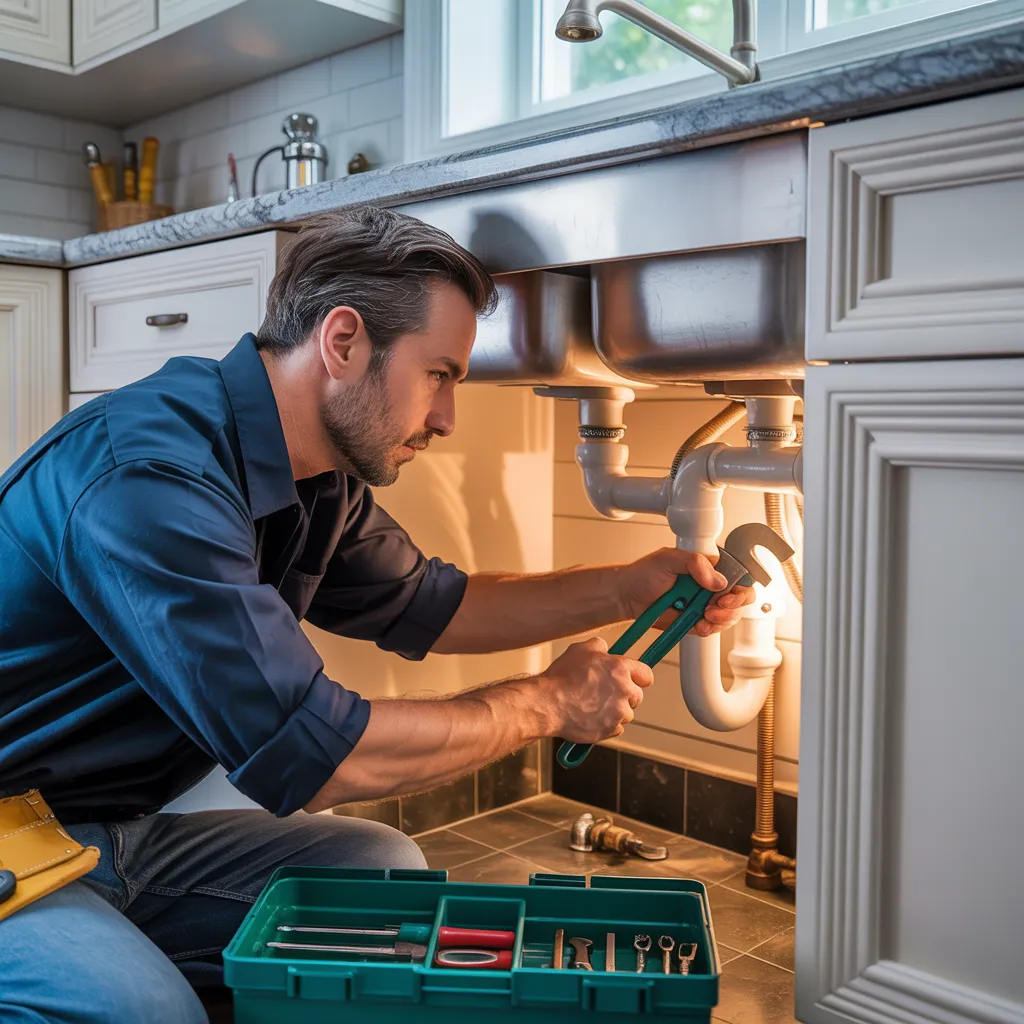
Best Plumbing Challenges and Approaches to Fix Them
When property owners encounter plumbing issues, they commonly face common problems that demand prompt attention. Clogged drains are one of the most frequent concerns, often caused by the accumulation of grease, hair, and debris.
Homeowners might temporarily alleviate this by using a plunger or a drain snake, but stubborn obstructions typically involve professional assistance.
Leaky faucets represent another widespread issue, causing water wastage and higher utility bills. A straightforward substitution of washers or O-rings can often resolve this problem.
Additionally, leaking toilets can squander significant water, usually due to a faulty flapper or fill valve. Property owners may try to fix this by adjusting or substituting parts themselves.
Ultimately, burst pipes, often resulting from freezing temperatures, necessitate immediate professional intervention to prevent extensive water damage.
Acknowledging these standard plumbing issues aids property owners discover timely outcomes and sustain their home's plumbing system effectively.
Why Routine Upkeep Is Important
Regular maintenance is vital for protecting the longevity and functionality of a home's plumbing system. Routine inspections can spot potential issues before they advance, saving homeowners from substantial expenses.
Elementary duties, such as looking for leaks, cleaning faucets, and checking water heaters, can substantially boost system performance. Additionally, routine maintenance helps to keep water standards, as sediment buildup in pipes can lead to contamination.
Homeowners ought to also consider arranging professional drain cleaning to avoid clogs. By dedicating resources to regular upkeep, homeowners not only guarantee their plumbing operates smoothly but also increase the total worth of their property.
Adopting a preventative plan for plumbing upkeep in the long run establishes a stress-free living environment.
Rapid Plumbing Results
Tackling a plumbing crisis can be taxing for any homeowner, making it essential to grasp crucial services that can render speedy help.
Emergency plumbing solutions include quick response crews on call 24/7, capable of address issues like ruptured pipes, severe leaks, or overflowing toilets. These professionals can quickly assess the situation and apply temporary fixes to prevent additional harm.
Furthermore, offerings commonly handle drain flushing, water heater repairs, and sewer backups. Homeowners should also educate themselves on the relevance of disabling the main water supply when critical situations arise.
Ultimately, gaining access to emergency plumbing services not only cuts down on damage but also guarantees peace of mind during trying times. Preparedness in these scenarios can save both time and money.
How to Correct Frequent Plumbing Problems
Pipe issues can disrupt daily life, but many typical problems have uncomplicated answers. A blocked pipe can often be resolved with a plunger or a combination of baking soda and vinegar. This technique helps dissolve buildup without strong chemical cleaners.
Dripping taps, another frequent complaint, may simply require a replacement washer; cutting off the water and unfastening the faucet allows for easy access to the components.
To deal with toilets that won't stop, adjusting the float mechanism or swapping the flapper can restore normal function. For low water pressure, checking aerators or showerheads for clogs is an valuable first approach.
Ultimately, residents can often fix small leaking pipes using epoxy putty or tape as a interim fix. These uncomplicated methods allow individuals to resolve everyday plumbing issues effectively, promoting a sense of self-sufficiency. However, persistent issues may require deeper investigation.
When do you require to call a certified plumber?
How can an individual identify when to seek the skills of a licensed plumbing specialist? Recognizing specific signs can direct homeowners in deciding on this decision.
Persistent drips that fail to react to temporary fixes indicate a more serious root problem. Blocked pipes that withstand routine cleaning methods may need professional intervention to avoid significant harm.
Moreover, if a homeowner faces diminished water pressure or discolored water, these may point to plumbing complications that should not be disregarded.
Intricate challenges like sewer line backups or substantial water harm demand swift professional support to minimize risks.
Property owners should also evaluate the age and condition of their water pipe networks; outdated or worn pipes often result in costly repairs if not tackled quickly.
When all is said and done, if uncertain, consulting with a skilled plumber can preserve time, money, and further complications.
How Preventative Maintenance Protects Your Money and Minimizes Hassle
Allocating funds for preventative maintenance can considerably diminish the risk of expensive emergencies and unwelcome problems. Regular inspections and maintenance of plumbing infrastructure can identify minor issues before they escalate into major problems. For example, minute leaks, degraded pipes, or obstructed drains can be addressed promptly, preventing homeowners from expensive repair bills down the line.
Furthermore, effective preventive solutions boost the general efficiency of plumbing systems. By confirming that plumbing components are in top shape, property owners can sidestep the additional costs connected to elevated water costs caused by leaks or inefficiencies.
Furthermore, preventative care keeps up property value. A well-kept plumbing system is desirable to potential buyers and can prevent future disputes or negotiations related to repairs.
In the final analysis, committing resources to preventive care not only preserves financial stability but also ensures peace of mind, making it a excellent choice for homeowners hoping to avoid trouble.
Why Routine Plumbing Inspections Matter
Routine plumbing check-ups serve a vital purpose in maintaining a home's systems. These inspections enable specialists to spot potential issues before they become severe into expensive repairs. By resolving problems such as water loss, clogs, or aging pipes promptly, homeowners can avoid extensive damage to their property and assure a healthy living environment.
Additionally, routine check-ups enhance the overall efficiency of plumbing systems. They can uncover inefficiencies that lead to increased water bills, enabling homeowners to make necessary adjustments.
Regular maintenance also extends the lifespan of plumbing fixtures and appliances, encouraging long-term savings.
Furthermore, a well-serviced plumbing system raises home value, making it more desirable to potential buyers.
Ultimately, prioritizing regular plumbing check-ups is essential for protecting a home's structural soundness and operational efficiency, providing reassurance to homeowners concerned about unforeseen plumbing emergencies.
Preliminary Inspection Process
When a plumbing repair call is made, the plumber shows up ready to assess the situation systematically. The procedure begins with a comprehensive inspection of the premises, often commencing with a conversation about the reported issues.
A technician subsequently evaluates observable plumbing components, including pipes, fixtures, and appliances, hunting for signs of deterioration or defects. They may get details on this also employ assessment equipment to pinpoint underlying issues that are not immediately apparent.
During this starting inspection, the technician gathers written details and records images to log results. This extensive assessment allows an valid assessment and lays the groundwork for any necessary repairs.
In the final analysis, this methodical approach ensures that no aspect of the plumbing infrastructure is unaddressed, supporting optimal results.
Service Completion Assessment
Upon identifying and addressing common plumbing issues, the technician will proceed with the service finalization process.
This segment encompasses a meticulous examination of the work performed to guarantee quality and compliance with safety standards. The technician will explain the repairs executed and any preventive tactics homeowners can take to avoid additional issues.
An thorough invoice will be delivered, detailing the services completed and associated costs. Payment options will be explored, allowing clients to pick a method that suits them best.
To finish, the technician will clean the work area, leaving it tidy and confirming that all tools and materials are removed.
Satisfied clients can expect a follow-up call or email to verify everything is working correctly after the service.
Regular Often Asked Questions
What's the Best Way to Pick the Right Plumbing Contractor for My Needs?
To determine the suitable plumbing expert, one should study skills, examine customer reviews, compare quotes, and validate correct credentials and coverage. Personal recommendations can also give valuable insights into reliability and caliber of work.
What Expertise Must a Professional Plumber Exhibit?
A qualified plumber should possess appropriate credentials, extensive training, and expertise in plumbing systems. They should also be licensed and insured, showing their compliance with industry regulations and guaranteeing quality service for various plumbing needs.
Is Urgent Plumbing Service Accessible 24 Hours a Day?
24/7 plumbing support are really accessible 24/7. Professionals in the trade highlight speedy response to critical needs, ensuring that users attain immediate assistance whenever plumbing situations arise, irrespective of the hour or day.
How Do I Stop Pipe Problems in Older Homes?
Preventing plumbing issues in older homes requires frequent checks, routine maintenance, and timely repairs. Upgrading outdated fixtures and ensuring proper drainage can also considerably reduce the risk of future plumbing complications.
Which pipe equipment ought to I maintain at Home?
A resident should have essential plumbing equipment, such as a plunger, pipe wrench, variable wrench, basin wrench, tape measure, and a set of screwdrivers. These tools establish a fundamental base for addressing minor plumbing issues successfully.
Report this page